A thoughtful gift for someone recovering at home can make familiar routines feel more comfortable and manageable. Consider what would help them rest, stay occupied, or enjoy a warm drink without adding clutter.
These nine ideas include bedroom comforts, practical home accessories, and a few options for quiet downtime. Choose with the recipient’s space, preferences, and current needs in mind.
9 Gift Ideas for Someone Recovering at Home
BOB AND BRAD Q2 Pro Mini Massage Gun with Heat and Cold
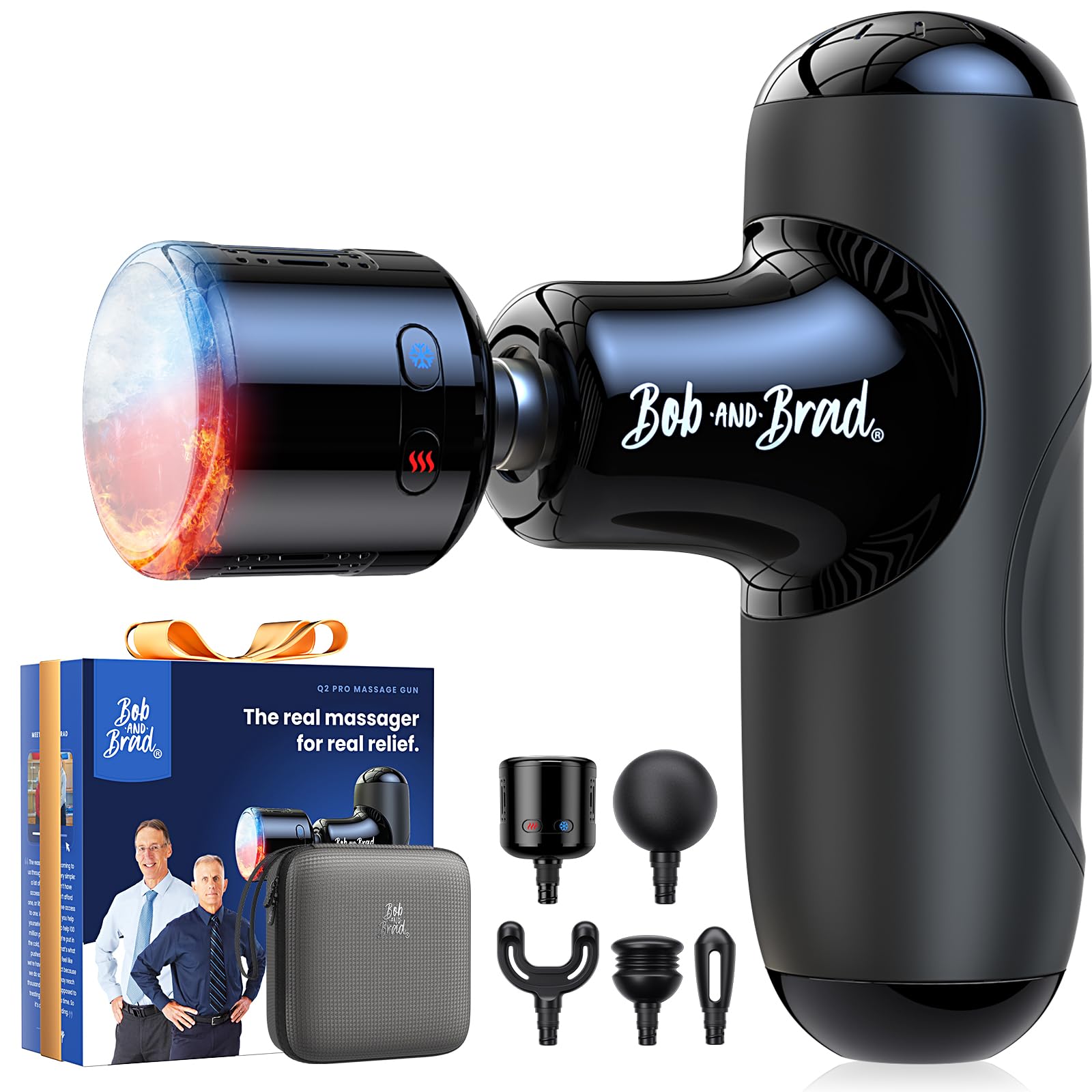
- Combines heat and cold therapy with two presets for temperature control.
- Includes five interchangeable massage heads for different muscle groups.
- Comes with a portable hand case for taking it between rooms or on outings.
Best Gift For: Someone who would appreciate a portable massage option as part of their home routine.

Coop Home Goods Original Adjustable King Pillow
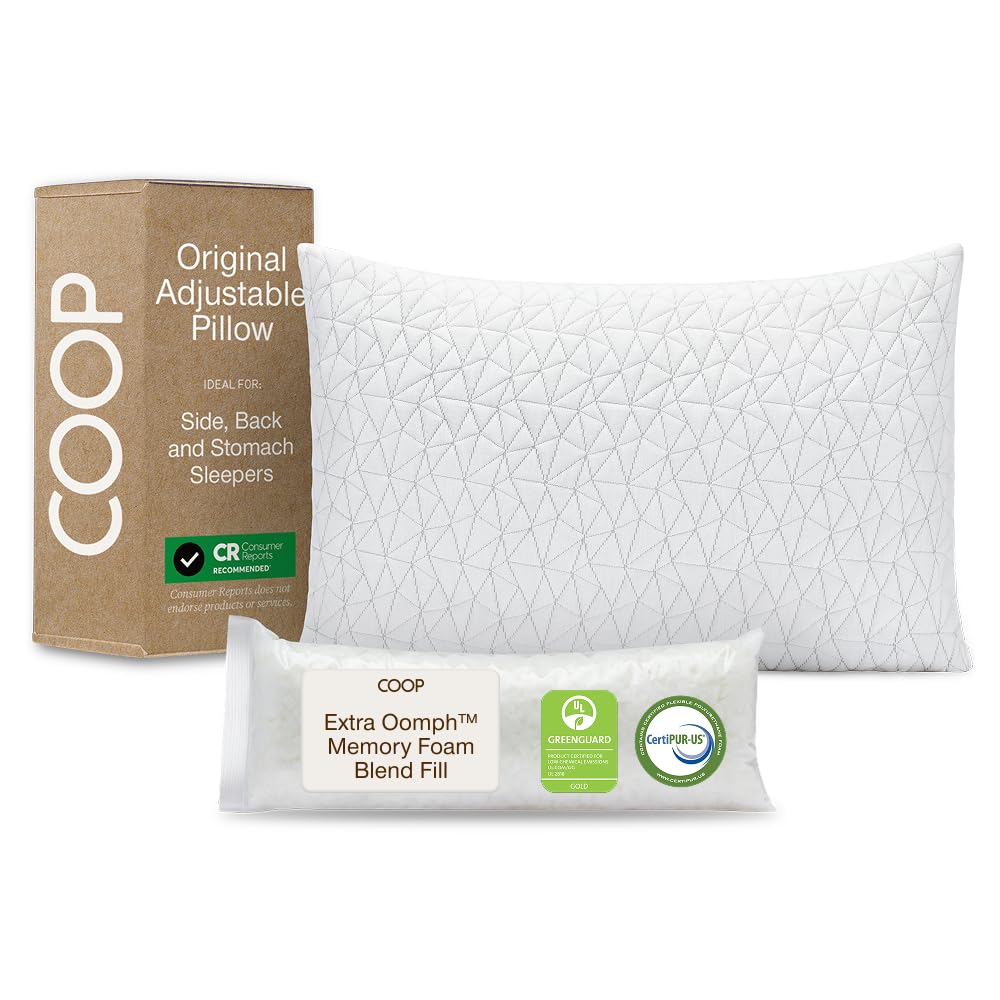
- The fill can be added or removed to adjust firmness.
- An extra fill bag provides more flexibility to customize loft and firmness.
- The pillow is CertiPUR-US and GREENGUARD Gold certified.
Best Gift For: A back, side, or stomach sleeper who would value adjusting a pillow to their comfort.
Honeywell QuietSet Whole Room Tower Fan
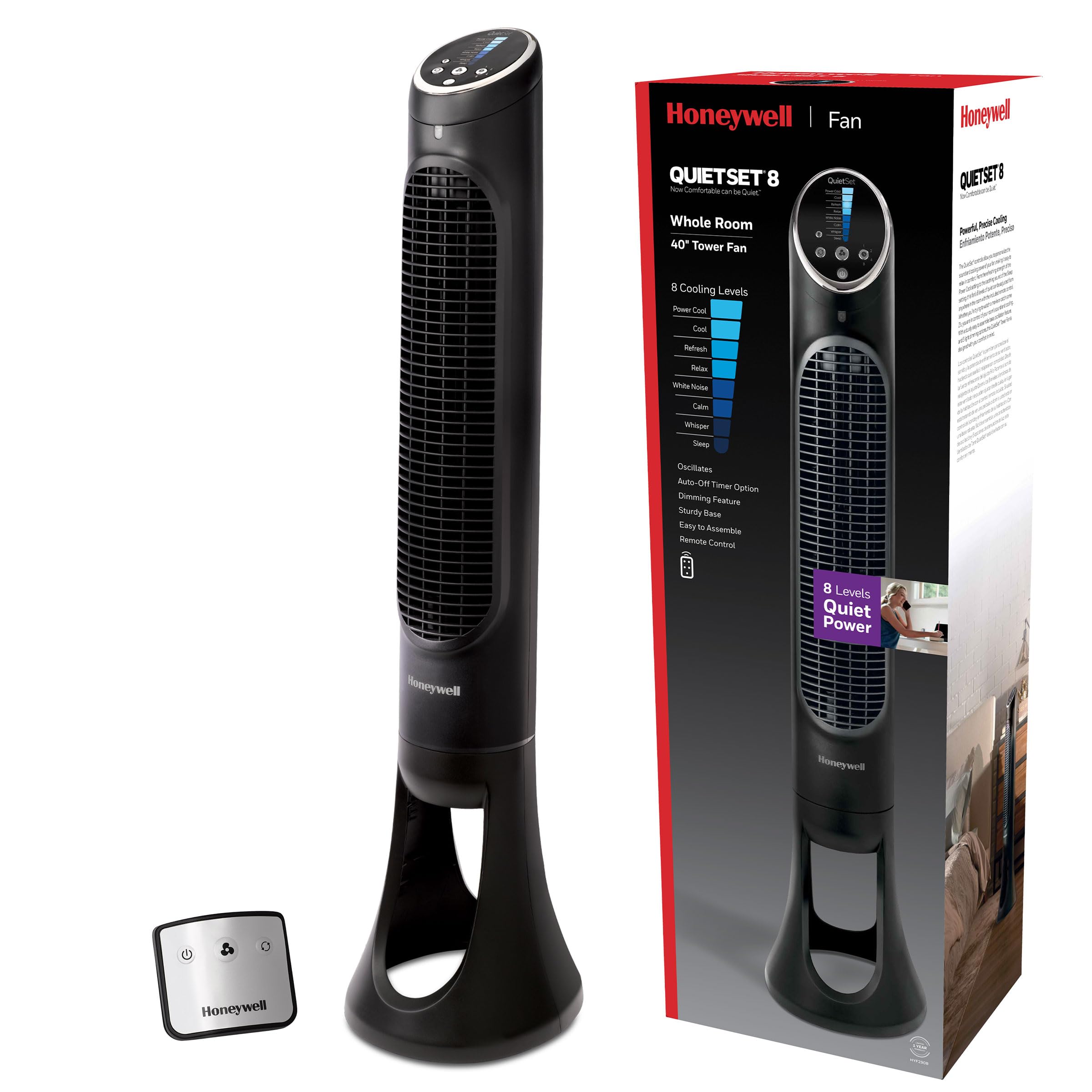
- Eight speed settings let the recipient adjust the airflow.
- The oscillating design supports air circulation around the room.
- A remote control is included and stores on the fan housing.
Best Gift For: Someone who would appreciate adjustable air circulation in a bedroom or living room.
Everlasting Comfort 6L Cool Mist Humidifier
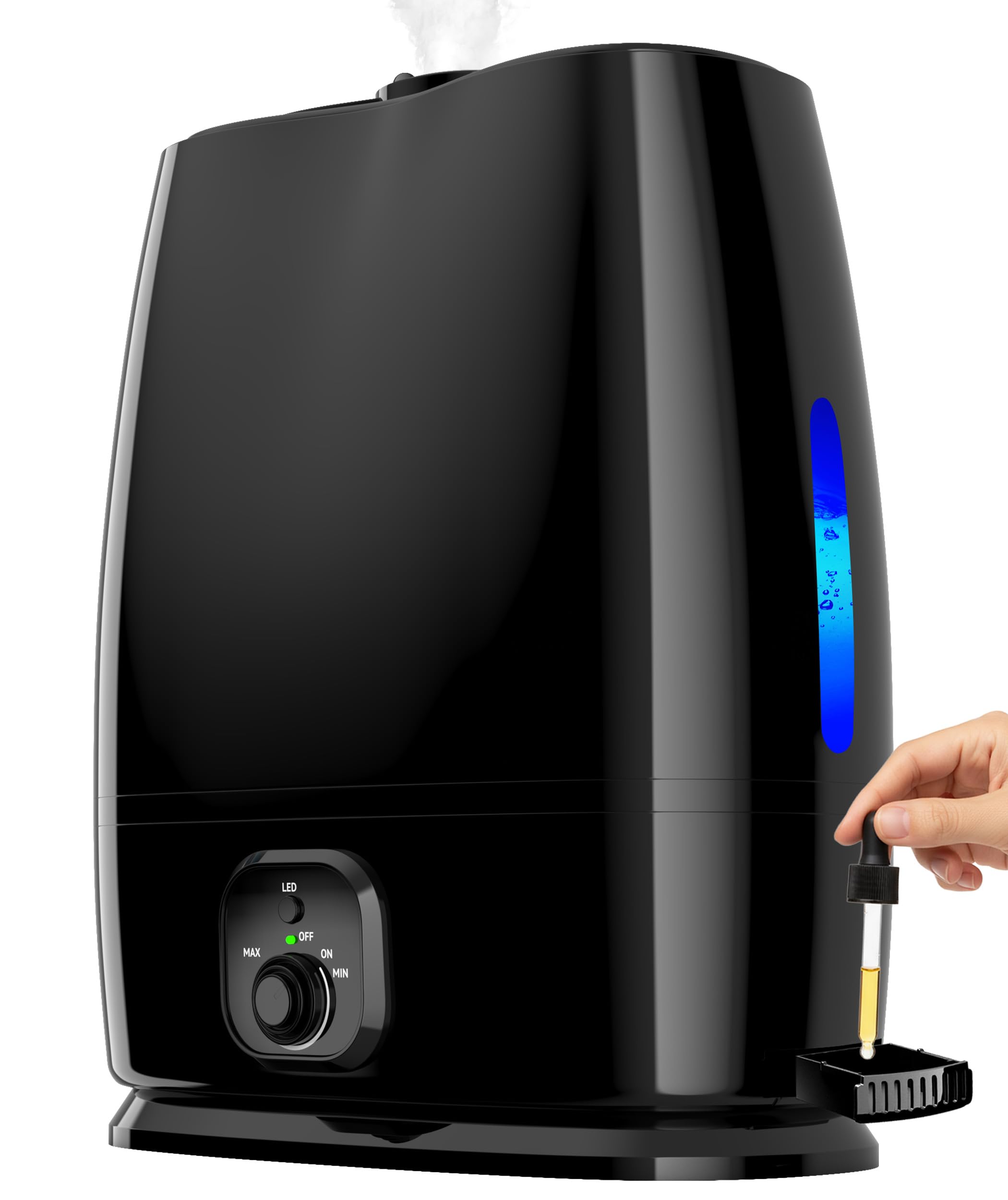
- The filterless design has a wide tank opening for cleaning.
- Mist output is adjustable, with a rotating nozzle for coverage.
- An oil tray lets the recipient add essential oils to the mist.
Best Gift For: Someone who would like a quiet humidifier for a bedroom or other indoor space.
Mueller Living 1.8L Electric Kettle
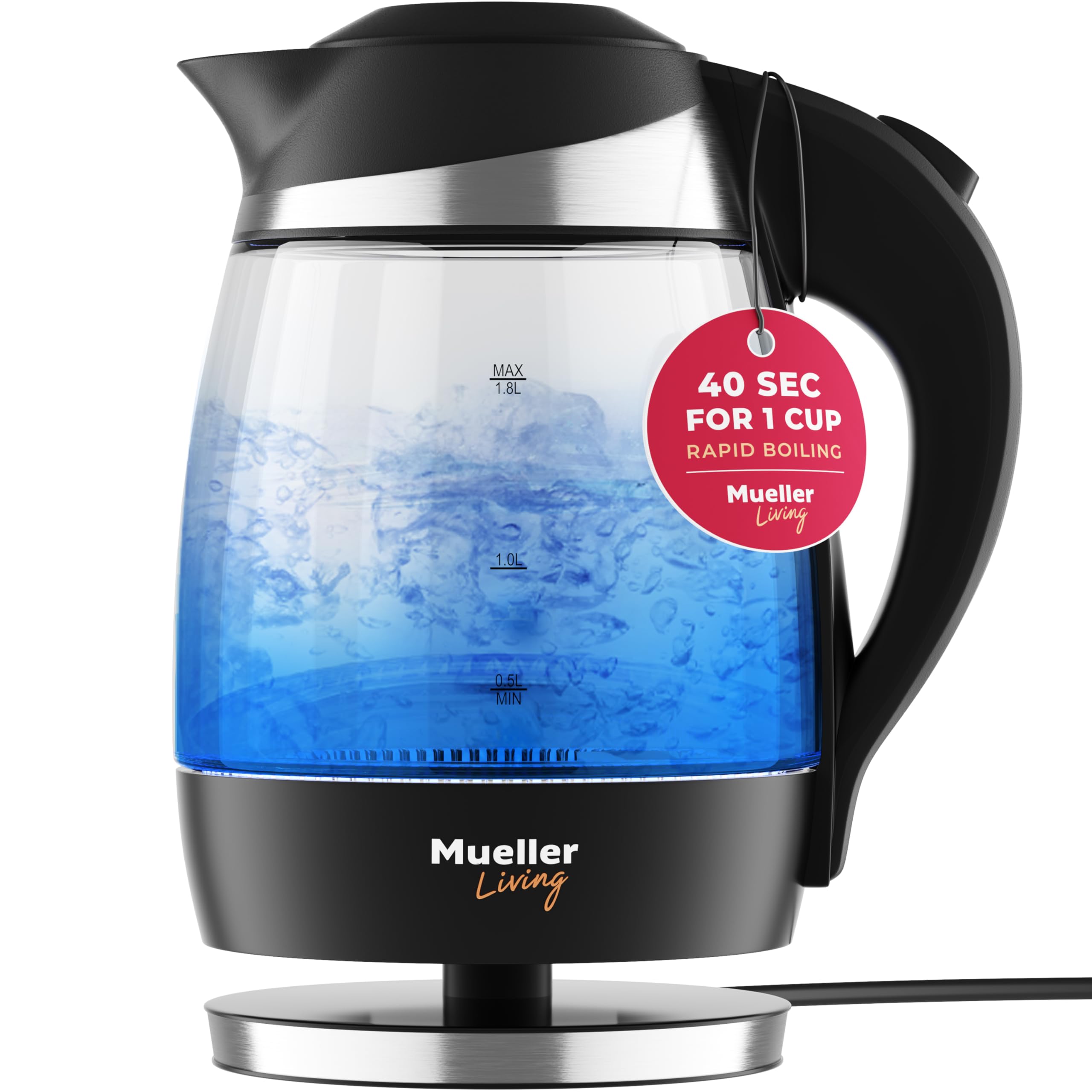
- The kettle has a borosilicate glass body.
- It switches off automatically when the water boils.
- The kettle lifts off its base for cordless pouring.
Best Gift For: A tea, coffee, or hot chocolate drinker who enjoys making warm drinks at home.
Everlasting Comfort Memory Foam Foot Rest
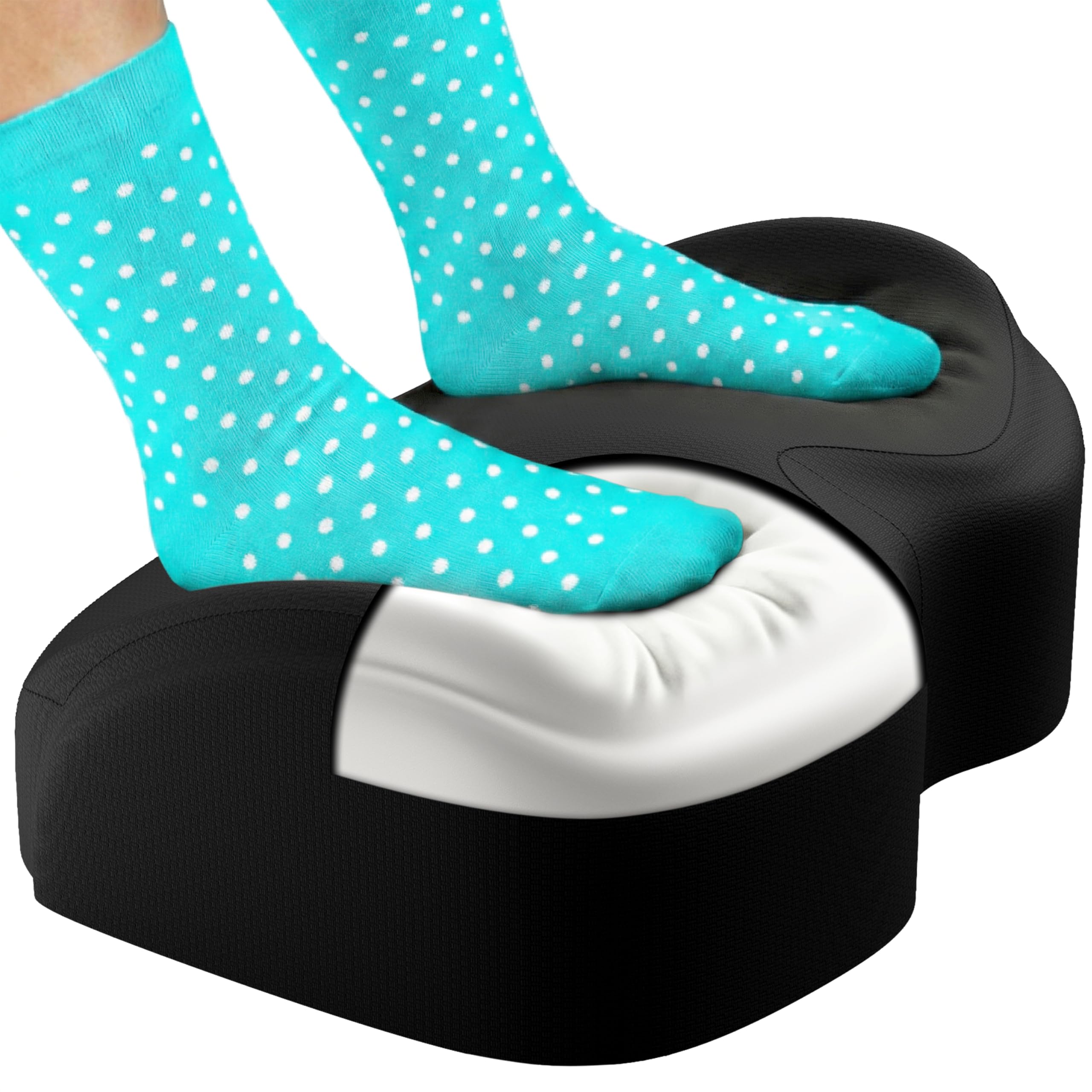
- The foot rest is made with memory foam and is designed to keep feet elevated.
- Its cover is breathable and machine washable.
- The non-slip bottom is made for carpet, tile, or hardwood floors.
Best Gift For: Someone who spends time seated at a desk or gaming station and may appreciate foot elevation.
MyHalos 3D Blackout Sleep Mask, 2-Pack
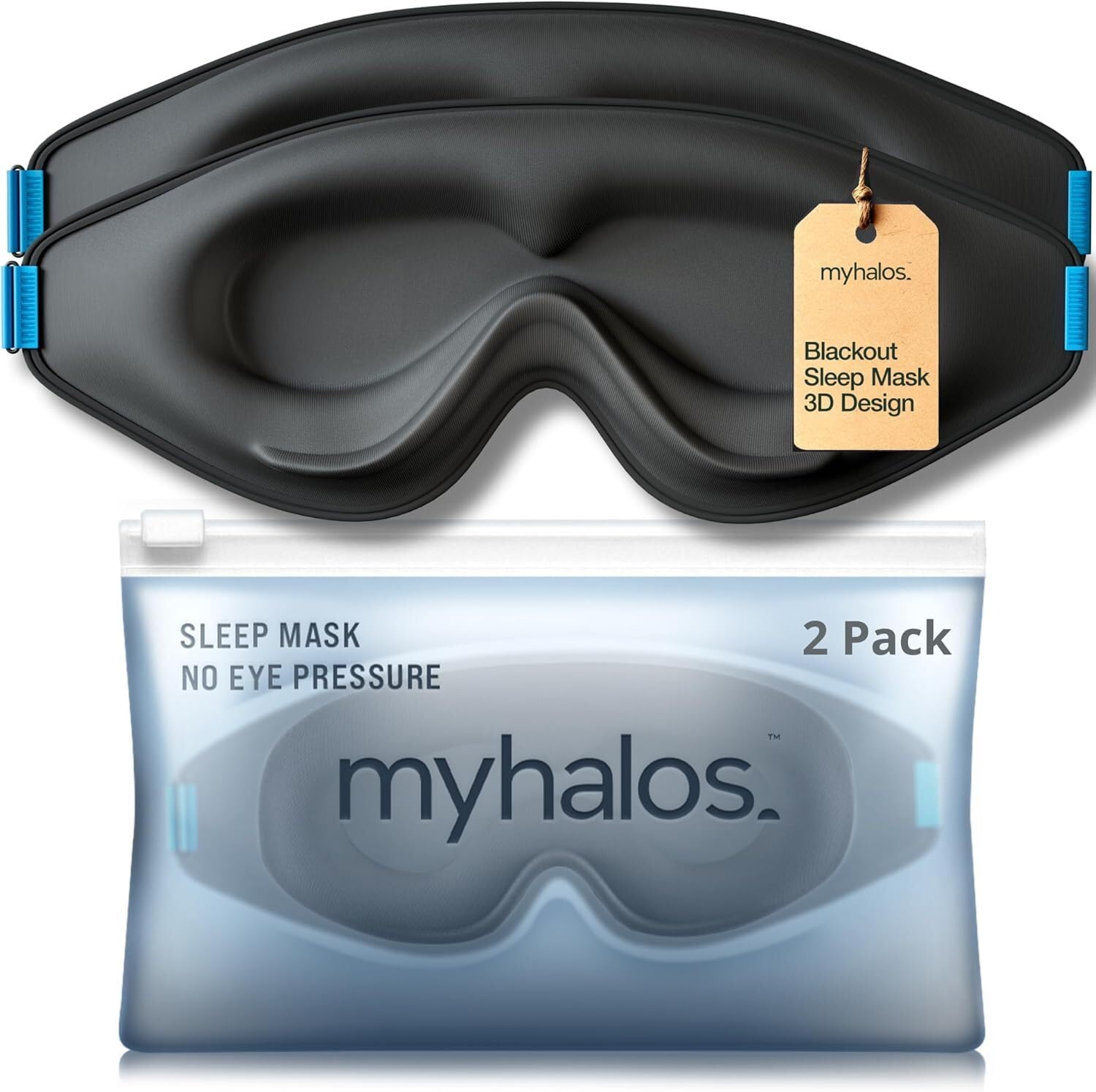
- The contoured design is intended to block light.
- The deep eye cups are designed to avoid contact with eyelids or lashes.
- A protective pouch is included for travel.
Best Gift For: A light-sensitive sleeper or traveler who may appreciate a compact sleep mask.
Clever Fox Planner PRO Light Undated Weekly Planner

- The planner is undated and can be started at any time of year.
- It includes a step-by-step illustrated user guide and planning stickers.
- Its layout includes monthly, weekly, and daily agenda planning.
Best Gift For: Someone who enjoys writing down goals and planning manageable routines.
SONGMICS Adjustable Folding Bed Laptop Desk
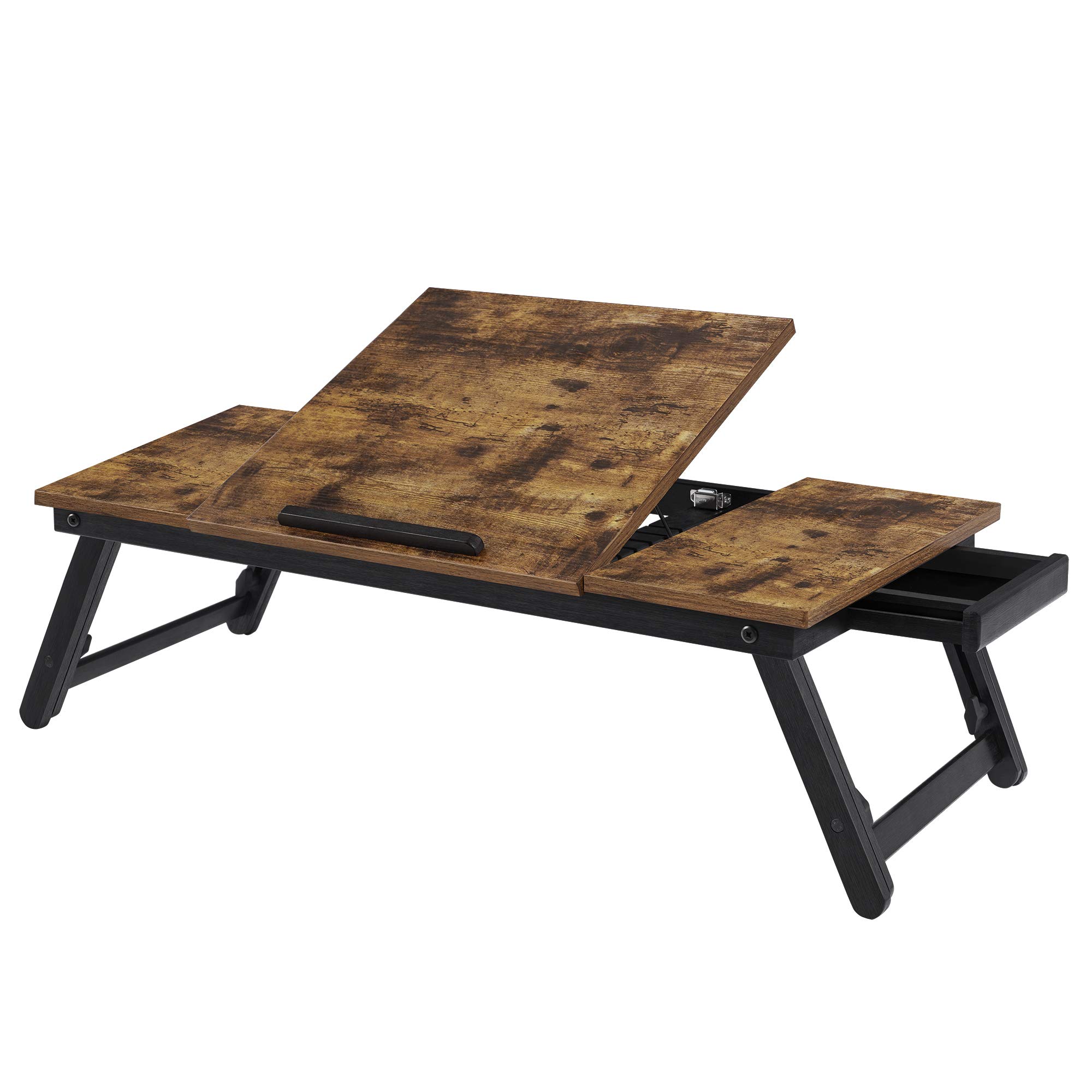
- The desk height and top angle can be adjusted.
- Its symmetrical desktop leaves mouse space on either side.
- The tilt top can be flattened to create a larger desktop.
Best Gift For: Someone who would find a portable surface useful for reading, writing, or using a laptop in bed.
1. Start with their version of gifts for people recovering at home
The most useful gifts for people recovering at home reflect how the person actually spends the day. Someone who is mostly resting may welcome an easier sleep setup or a quiet way to make the room more comfortable; someone who likes a small routine may prefer a planner or a place to keep reading and writing supplies.
Think about the room they use most and what is already within reach. A bedside gift should fit the available space, while something intended for a desk or sofa should suit how they sit.
If you are unsure, ask a close family member what would feel helpful without creating another task.
Comfort is personal, especially when energy and mobility vary. Choose flexible options when possible, and let the recipient decide how and when to use them.
A simple gift that respects their pace can be more thoughtful than something that expects a particular activity or schedule.
2. Balance usefulness with their budget
Set a comfortable spending range before choosing. Practical home items span different price levels, so compare what each option actually adds to daily life.
A small comfort item may be just right from one person, while a shared gift can make sense when several friends or relatives want to contribute.
For a larger purchase, consider whether it solves a need the recipient has mentioned and whether they already own something similar. Check the current price, dimensions, care requirements, and compatibility with their space before ordering.
The details can change, and these checks help avoid a gift that is awkward to use or return.
A useful gift need not look elaborate. Pair a modest item with a handwritten note, a favorite tea, or a planned call.
The personal gesture can make an everyday object feel chosen for them while keeping the overall spend manageable.
3. Personalize gifts for people recovering at home
Personal touches make gifts for people recovering at home feel attentive. Match the choice to a known preference: a favorite color, a preferred kind of tea, a love of journaling, or a tendency to read in bed.
These clues make the gift feel connected to the person rather than to a generic idea of recovery.
Presentation can also reduce effort. Use easy-to-open wrapping, include a short note explaining why you chose the item, and avoid packaging that needs tools or careful handling.
If you are dropping it off, arrange the timing with the recipient or someone helping them so the visit suits their energy.
Offer help without attaching expectations. You might include a card offering to set up a planner together, bring a drink, or help clear a comfortable place for the gift.
Make the offer specific and easy to decline; the recipient can accept only if it would be welcome.
4. Choose comfort that fits the home
Before buying a room item, check the space where it will be used. Measure the bedside table, chair, or floor area if the gift needs a stable spot, and consider whether cords, cleaning, or storage might become a hassle.
Compact and easy-care choices can suit a home where routines are already demanding.
For items that touch the body or affect a room, preferences matter. Some people have sensitivities to scents, fabrics, or temperature, and others may already follow care advice.
When unsure, choose an option that can be adjusted or ask the recipient what feels comfortable rather than assuming.
Think about what the person can manage independently and what assistance is available. A gift that is simple to clean, move, or put away may be easier to enjoy.
Practicality here means fitting the household’s routines, not asking the recipient to reorganize them.
5. Make the timing and handoff easy
For last-minute buying, check delivery estimates for the recipient’s address and allow time for delays. Store pickup or a digital note can help when timing is tight, but confirm the recipient would welcome a visit or drop-off.
A thoughtful message now can accompany a physical gift later.
Review the current product details before checkout, especially dimensions, care instructions, compatibility, and what is included. Those details matter for bedroom and home accessories, and they can change.
If a gift depends on a particular setup, verify that it will work with what the recipient already has.
If the delivery date is uncertain, tell the recipient what is coming without making the gift feel like an obligation. A small card can say that it is on the way and that there is no need to respond quickly.
The aim is to make receiving it feel easy, at whatever pace suits them.