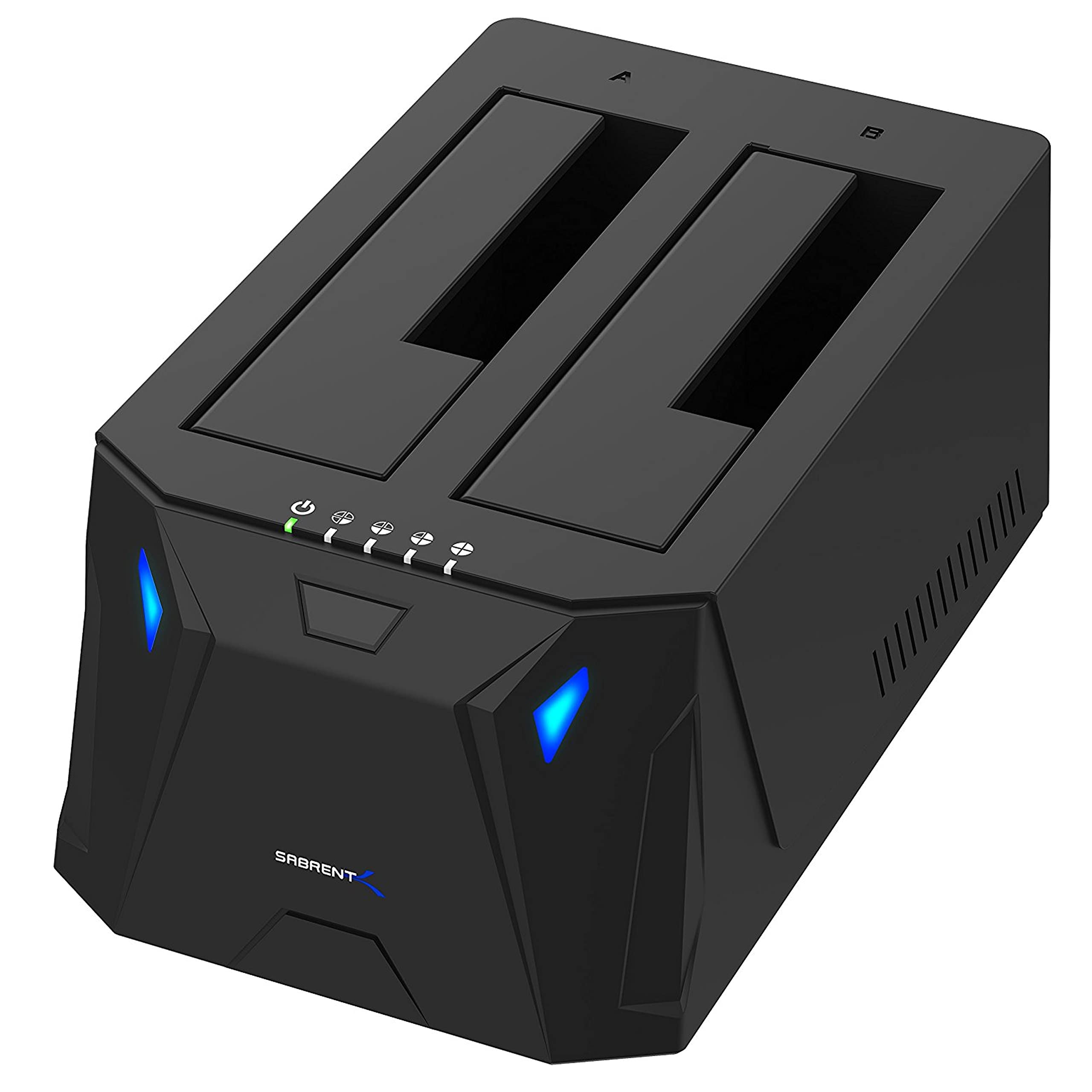
The SABRENT EC-HD2B combines a USB-connected, dual-bay SATA dock with an offline cloning function for compatible 2.5-inch and 3.5-inch hard drives or SSDs.
This sabrent ec hd2b review looks at the flexibility it offers for drive access and copying, plus the capacity and speed limits buyers should keep in mind.
SABRENT EC-HD2B Review Summary
The quick verdict
17,000+ ratings
Read Amazon ReviewsSABRENT EC-HD2B
A practical fit for buyers who work with 2.5-inch or 3.5-inch SATA drives and want a two-bay dock with offline cloning.
- Two bays for standard 2.5-inch or 3.5-inch SATA hard drives and SSDs.
- Supports SATA I, SATA II, and SATA III drives.
- Offline cloning function for direct drive-to-drive copying, with a maximum listed speed of 60Mbps.
- USB 3.0 host connection with transfer speeds up to 5Gbps; listed USB 2.0 and USB 1.1 ceilings are 480Mbps and 12Mbps.

Pros
- Combines two drive bays and offline cloning in one dock.
- Works with common 2.5-inch and 3.5-inch SATA hard drives and SSDs.
Consider before buying
- The listed drive capacity limit is 10TB, which may not fit larger-drive needs.
- Offline cloning is specified at up to 60Mbps, so buyers should consider whether that pace suits their copying tasks.
Read the full review summary
The EC-HD2B is designed for people who handle standard SATA drives and want both computer-connected access and a direct drive-to-drive cloning option.
Its two-bay layout can make it useful for routine transfers, backups, or drive migration without requiring a separate enclosure for every bare drive.
Its practical appeal depends on matching the dock to your existing drives and expectations.
The product information specifies support for drives up to 10TB and offline cloning up to 60Mbps; the host connection is USB 3.0, with lower maximum transfer rates over USB 2.0 and USB 1.1.
Buyers should treat these as stated ceilings and confirm that their source and target drives fit the intended workflow.
The buying factors
SABRENT EC-HD2B Scorecard
Editorial scores reflect listed features and buyer fit; they are not laboratory measurements or customer ratings.
Drive-format fit
Supports standard 2.5-inch and 3.5-inch SATA hard drives and SSDs, covering common bare-drive sizes.
Two-drive workflow
The dual-bay design accommodates two drives, which suits access and copying tasks involving a source and destination.
Offline cloning
Cloning can be performed without a computer, with a specified maximum rate of 60Mbps; buyers should account for that limit.
Host transfer ceiling
USB 3.0 supports transfer speeds up to 5Gbps, while USB 2.0 and USB 1.1 have lower listed ceilings.
Capacity range
Support is specified for drives up to 10TB, so larger drives fall outside the documented capacity range.
Setup simplicity
Plug-and-play operation with no drivers needed keeps setup straightforward for compatible drives.
Key Features and Specifications of SABRENT EC-HD2B
- Two bays for standard 2.5-inch or 3.5-inch SATA hard drives and SSDs.
- Supports SATA I, SATA II, and SATA III drives.
- Offline cloning function for direct drive-to-drive copying, with a maximum listed speed of 60Mbps.
- USB 3.0 host connection with transfer speeds up to 5Gbps; listed USB 2.0 and USB 1.1 ceilings are 480Mbps and 12Mbps.
- Supports hard drives up to 10TB.
- Plug-and-play operation; no drivers are needed.
Pros and Cons of SABRENT EC-HD2B
Pros
- Combines two drive bays and offline cloning in one dock.
- Works with common 2.5-inch and 3.5-inch SATA hard drives and SSDs.
- Supports all three listed SATA generations: I, II, and III.
- Straightforward plug-and-play setup without driver installation.
Consider before buying
- The listed drive capacity limit is 10TB, which may not fit larger-drive needs.
- Offline cloning is specified at up to 60Mbps, so buyers should consider whether that pace suits their copying tasks.
- The 5Gbps USB 3.0 figure is a maximum connection rate, not a guarantee of drive-level transfer speed.
Who Should Buy SABRENT EC-HD2B?
Good fit
Consider the EC-HD2B if you regularly connect bare 2.5-inch or 3.5-inch SATA drives and want a single station for computer access and offline cloning.
The two-bay layout is especially relevant when you need a source and destination drive available together.
It also makes sense for a simple, occasional drive-handling setup where avoiding driver installation matters. Before choosing it, check the capacity of the drives you plan to use and whether the stated maximum cloning rate fits your workload.
Who should skip it
Skip this model if your planned drive exceeds the specified 10TB support limit, or if you need an offline cloning rate higher than the listed maximum of 60Mbps.
Confirm that your drives are standard 2.5-inch or 3.5-inch SATA models before buying.
How the SABRENT EC-HD2B Fits a SATA Drive Workflow
Two bays for access and duplication
The dual-bay arrangement gives the dock room for two compatible drives at once.
That can simplify a workflow where one drive supplies files and another receives them, while offline cloning offers a direct-copy option when a computer is not part of the task.
The host connection sets a ceiling
USB 3.0 has a listed maximum transfer rate of 5Gbps, with lower maximums for USB 2.0 and USB 1.1.
Those are interface ceilings; actual transfers also depend on the drives and the work being done, so the USB figure alone does not predict how quickly a large copy will finish.
Check capacity and cloning pace
The supported capacity is specified up to 10TB, and offline cloning is listed up to 60Mbps. Compare both limits with the source and destination drives and the size of the jobs you expect to run.
If a project involves larger drives or frequent full-drive copies, those constraints may affect whether this dock suits the routine.
Alternatives to SABRENT EC-HD2B
Hard Drive Docking Stations alternative
37,000+ ratings
Read Amazon ReviewsSABRENT EC-DFLT USB 3.0 SATA Docking Station
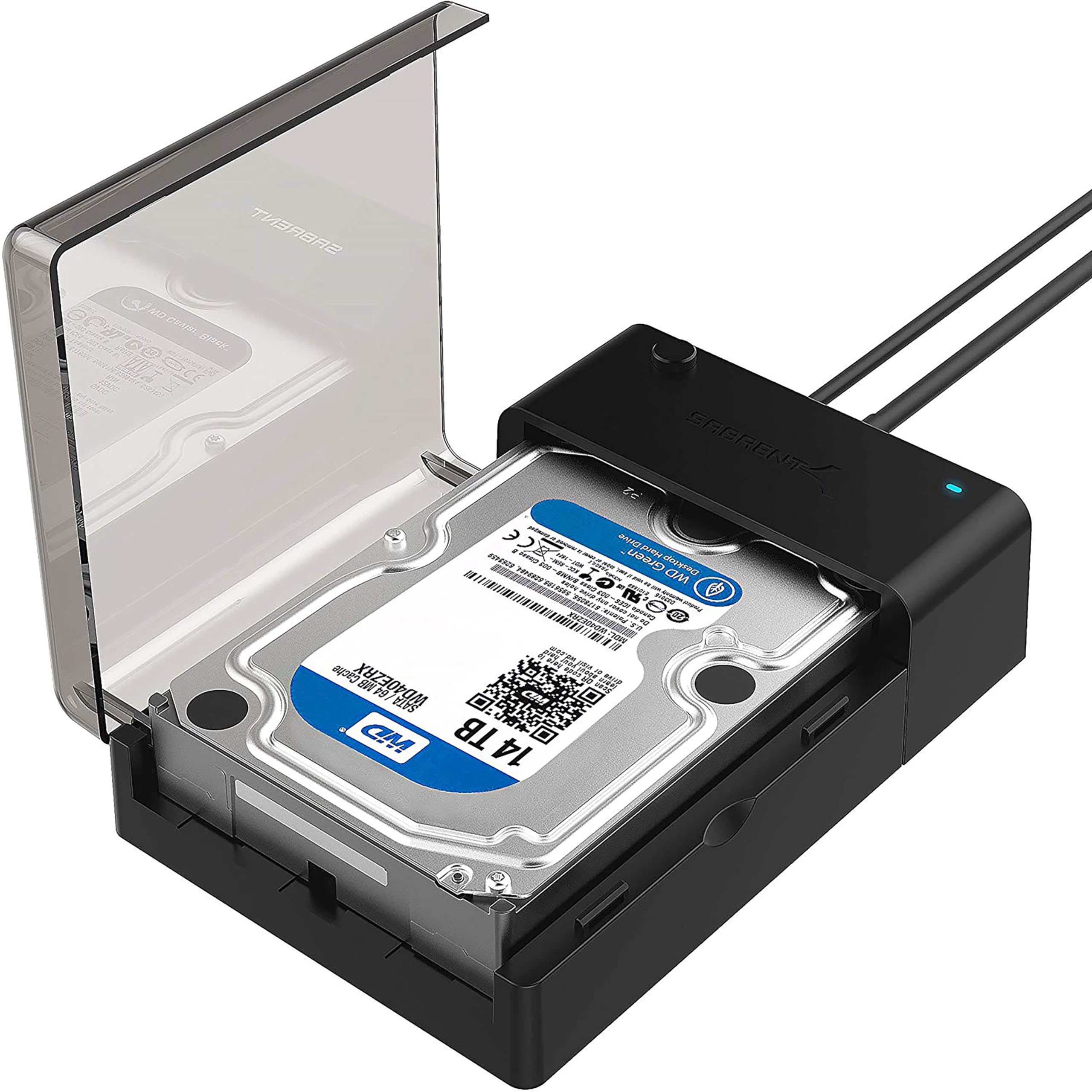
Choose the EC-HD2B when two-bay access and offline cloning are central to your routine. The EC-DFLT is a more focused option if you need a single-drive dock and value its listed UASP support with a compatible host.
- The EC-DFLT is a single-drive, lay-flat SATA dock with UASP support for compatible host systems.
- It supports 2.5-inch and 3.5-inch SATA HDDs and SSDs, and its product information describes plug-and-play use with Windows, macOS, and Linux.
- The EC-HD2B has two bays and supports offline cloning, alongside USB-connected access to compatible SATA drives.
Hard Drive Docking Stations alternative
1,000+ ratings
Read Amazon ReviewsSABRENT EC-CH2B USB-C Dual-Bay SATA Dock and Cloner
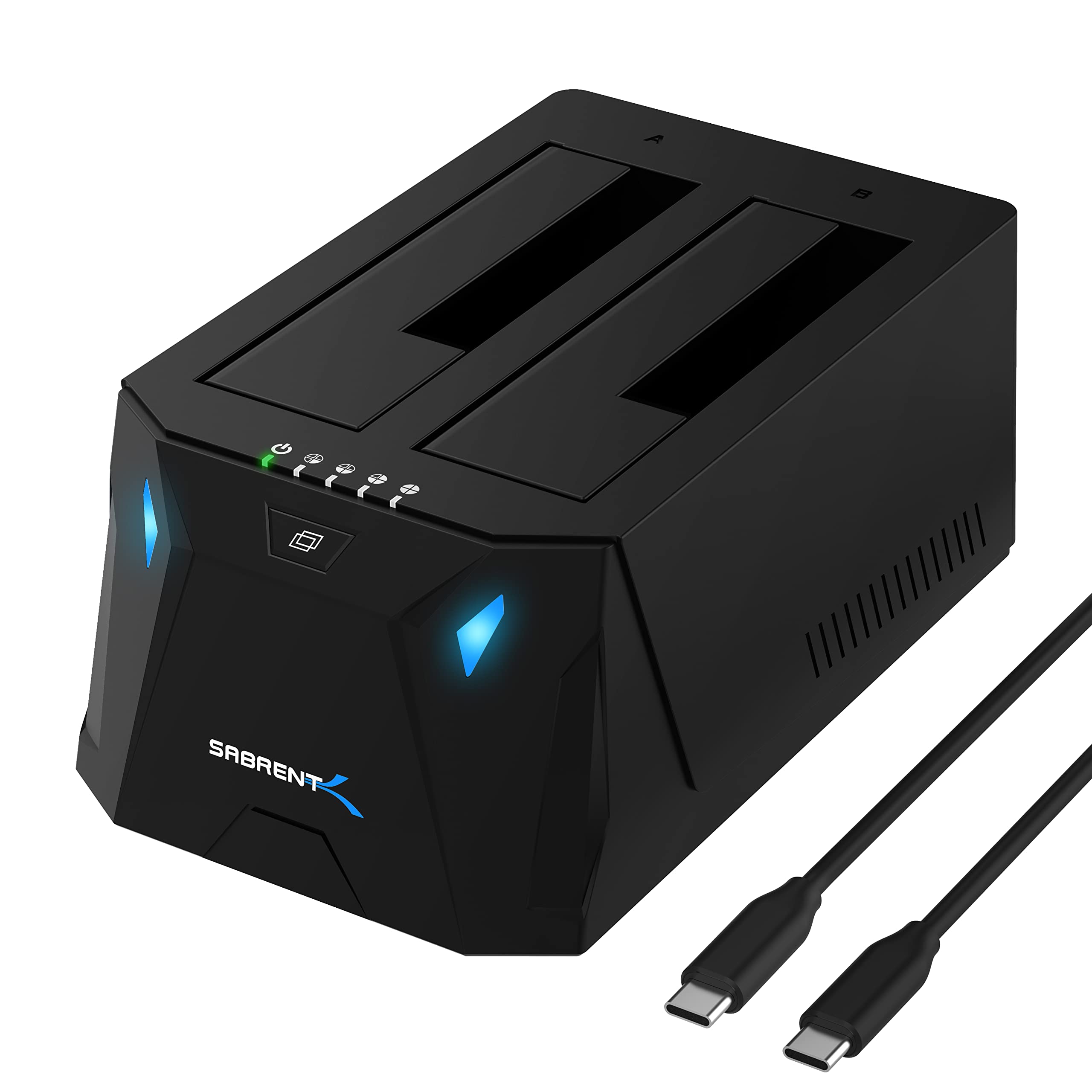
Compare the EC-CH2B if you want a similar dual-bay SATA workflow but need its listed USB Type-C connection or higher supported capacity.
The EC-HD2B's documented drive support is up to 10TB, so match the model to your drive sizes and host connection.
- The EC-CH2B also supports two 2.5-inch or 3.5-inch SATA drives, offline cloning up to 60MBps, and transfer speeds up to 5Gbps.
- Its product information specifies USB Type-C, tool-free installation, hot-swapping, and drive support above 20TB.
- The EC-HD2B is a dual-bay SATA dock with offline cloning and a USB 3.0 connection.
Is SABRENT EC-HD2B Worth It?
The SABRENT EC-HD2B is worth considering if you need a straightforward dual-bay dock for standard 2.5-inch or 3.5-inch SATA drives and want offline cloning as part of the same setup.
Its plug-and-play operation and USB 3.0 connection make the feature set easy to understand.
Check the 10TB capacity limit and the listed 60Mbps maximum cloning speed against your actual drives and workload.
If both fit, the EC-HD2B offers a practical combination of drive access and direct copying; if not, choose a model whose documented capacity or connection better matches your setup.
Your review at a glance
17,000+ ratings
Read Amazon ReviewsSABRENT EC-HD2B
A practical fit for buyers who work with 2.5-inch or 3.5-inch SATA drives and want a two-bay dock with offline cloning.
- Two bays for standard 2.5-inch or 3.5-inch SATA hard drives and SSDs.
- Supports SATA I, SATA II, and SATA III drives.
- Offline cloning function for direct drive-to-drive copying, with a maximum listed speed of 60Mbps.
- USB 3.0 host connection with transfer speeds up to 5Gbps; listed USB 2.0 and USB 1.1 ceilings are 480Mbps and 12Mbps.